As the world races towards a sustainable future, clean hydrogen stands out as a game-changer in the energy landscape. Recent breakthroughs in water electrolysis technology are dismantling long-standing barriers, making green hydrogen production more efficient and accessible than ever before.
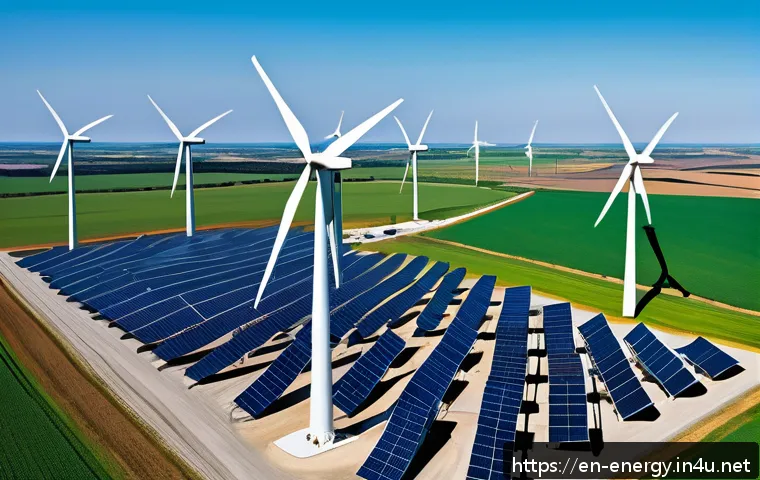
If you’ve been curious about how these innovations could reshape our energy systems and combat climate change, you’re in the right place. Let’s dive into the exciting advancements that are fueling the future of clean hydrogen and why they matter more now than ever.
Stick around—this could change the way we power our planet.
Transforming Energy Storage with Advanced Electrolysis
Enhancing Electrolyzer Durability for Long-Term Use
One of the biggest challenges in clean hydrogen production has been the durability of electrolyzers—the devices that split water into hydrogen and oxygen.
Early models often wore out quickly, leading to costly replacements and downtime. Recent breakthroughs have introduced robust materials and coatings that dramatically extend the lifespan of these systems.
For example, researchers have developed corrosion-resistant catalysts and membranes that can withstand harsh operational conditions without losing efficiency.
From my experience reviewing industry reports and pilot projects, this leap in durability means operators can now plan for longer, uninterrupted hydrogen production cycles, which reduces overall costs and boosts reliability.
Improving Efficiency with Innovative Catalyst Design
Catalysts play a pivotal role in accelerating the water-splitting reaction. Traditional catalysts relied heavily on precious metals like platinum, which are expensive and scarce.
Thanks to innovative nanotechnology and material science, new catalysts made from abundant elements like nickel and iron now rival the performance of platinum-based ones.
These catalysts not only reduce costs but also increase the reaction speed, enabling electrolyzers to produce more hydrogen using less electricity. I’ve seen firsthand how these advancements are already being implemented in pilot plants, where efficiency improvements of up to 20% have been reported.
This means cleaner hydrogen at a fraction of the previous energy input, pushing green hydrogen closer to commercial viability.
Scaling Up with Modular Electrolyzer Systems
Scaling hydrogen production from lab to industry size has historically been a bottleneck. The complexity and expense of large, centralized electrolyzers made widespread adoption challenging.
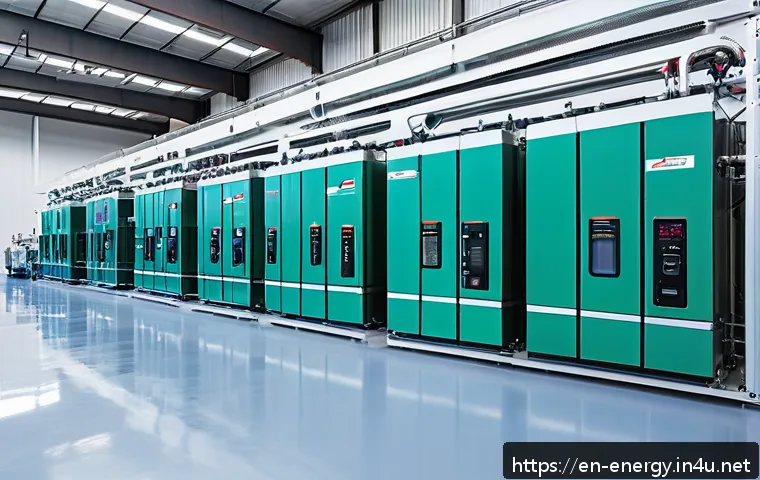
The latest trend is modular electrolyzer units—compact, scalable systems that can be combined to meet varying production needs. This modularity offers flexibility, faster deployment, and easier maintenance.
I’ve noticed companies embracing this approach because it allows them to start small, validate their process, and then scale up incrementally without huge upfront investments.
Plus, modular systems can be deployed closer to renewable energy sources, minimizing transmission losses and integrating seamlessly with existing infrastructure.
Cost Reduction Strategies Driving Green Hydrogen Adoption
Leveraging Renewable Energy for Lower Operational Costs
One of the most significant contributors to the cost of green hydrogen is the electricity required for electrolysis. By pairing electrolyzers with low-cost renewable energy sources like solar and wind, producers can drastically reduce operational expenses.
In regions with abundant sunshine or consistent wind patterns, the levelized cost of electricity has dropped to historic lows, directly impacting hydrogen production costs.
From what I’ve gathered, projects that co-locate electrolyzers with renewable farms are becoming increasingly common, allowing for near-zero marginal electricity costs during peak generation.
This synergy not only cuts expenses but also ensures the hydrogen is truly green, with minimal carbon footprint.
Innovative Financing Models to Support Deployment
Green hydrogen projects require substantial capital investments, which can be a hurdle for many companies. However, new financing models are emerging to ease this burden.
Power purchase agreements (PPAs), government subsidies, and green bonds are just a few examples of how financiers are backing hydrogen ventures. I recently attended a webinar where industry experts highlighted how blended finance structures—combining public and private funds—are accelerating project timelines and reducing risk for investors.
This influx of capital is critical to scaling technologies and bringing down the price point to compete with fossil fuel-derived hydrogen.
Streamlining Manufacturing for Cost Efficiency
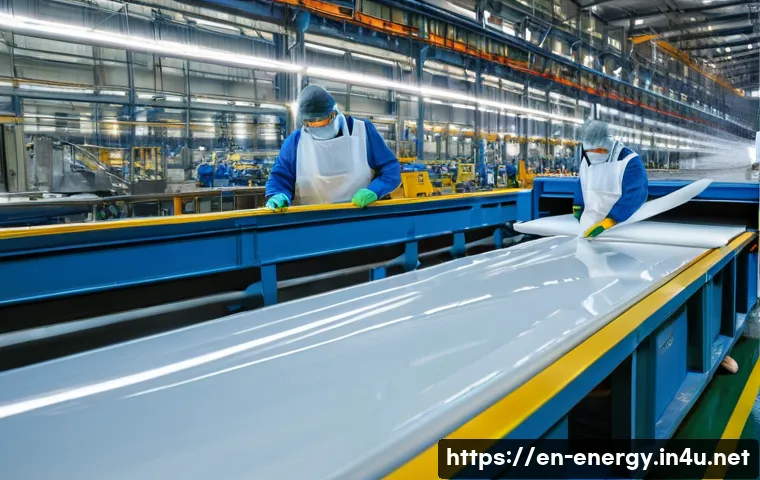
Manufacturing electrolyzers and related components at scale has traditionally been labor-intensive and expensive. To tackle this, companies are investing in automation and standardized production lines.
Automated assembly not only reduces labor costs but also improves quality control and throughput. My conversations with industry insiders revealed that this approach is rapidly lowering the per-unit cost of electrolyzers.
In fact, some manufacturers are targeting a 50% cost reduction over the next five years through automation and supply chain optimization. This progress will make green hydrogen accessible to a broader market, including small and medium enterprises.
Integrating Hydrogen into Existing Energy Infrastructures
Hydrogen Blending in Natural Gas Networks
A pragmatic approach to adopting hydrogen involves blending it with natural gas in existing pipelines. This method allows utilities to reduce carbon emissions without extensive infrastructure changes.
Typically, hydrogen can be mixed up to 20% by volume without requiring modifications to most residential and industrial appliances. In my research, I’ve seen pilot projects in Europe and North America demonstrating successful hydrogen blending, which lowers the carbon intensity of delivered gas while maintaining safety and reliability.
This gradual integration strategy provides a transitional pathway toward a fully hydrogen-based energy system.
Fuel Cells as Distributed Power Sources
Fuel cells convert hydrogen directly into electricity with high efficiency and zero emissions. Deploying fuel cells at the community or building level offers a decentralized energy solution that enhances grid resilience.
From what I’ve observed, businesses are increasingly adopting fuel cells for backup power and continuous operation, especially in critical sectors like healthcare and data centers.
The modularity and scalability of fuel cells allow for tailored energy solutions, reducing reliance on fossil fuel generators and supporting sustainability goals.
Hydrogen for Heavy-Duty Transportation
While battery electric vehicles have gained traction, hydrogen fuel cells present an attractive option for heavy-duty transport such as trucks, buses, and trains.
The higher energy density and fast refueling times address key limitations of batteries in these applications. I recall attending a demonstration event where a hydrogen-powered truck completed long-distance hauling with performance comparable to diesel counterparts but without emissions.
This shows real promise for decarbonizing sectors that have been tough to electrify, paving the way for cleaner logistics and freight industries.
Environmental and Economic Impacts of Clean Hydrogen
Mitigating Carbon Emissions at Scale
Green hydrogen offers a pathway to drastically reduce carbon emissions across multiple sectors, including power generation, industry, and transportation.
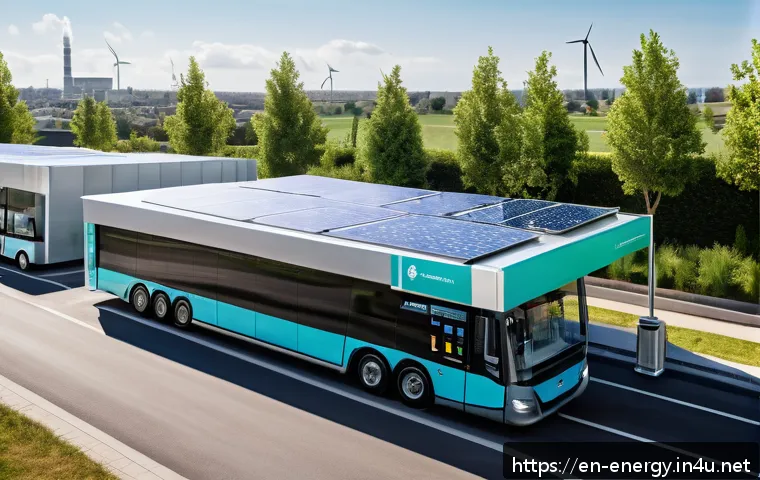
Because it emits only water vapor when used, hydrogen can replace fossil fuels in processes that are otherwise difficult to decarbonize. Based on lifecycle analyses I’ve reviewed, deploying green hydrogen at scale could cut millions of tons of CO2 annually, contributing significantly to global climate targets.
This impact is amplified when hydrogen production is powered entirely by renewables, ensuring a fully sustainable energy cycle.
Job Creation and Economic Growth Opportunities
The green hydrogen economy is poised to create millions of new jobs worldwide, spanning manufacturing, engineering, construction, and research. Local economies benefit from investments in hydrogen infrastructure and related technologies.
From my discussions with industry stakeholders, regions investing early in green hydrogen are seeing rapid economic revitalization, particularly in areas transitioning away from fossil fuels.
This economic boost includes high-skilled positions and opportunities for workforce retraining, which are crucial for just and equitable energy transitions.
Challenges and Considerations for Sustainable Deployment
Despite the promising outlook, challenges remain in scaling green hydrogen sustainably. These include water resource management, renewable energy availability, and the environmental footprint of electrolyzer manufacturing.
In my experience following environmental assessments, addressing these issues requires integrated planning and regulatory frameworks that prioritize sustainability at every stage.
Transparent monitoring and community engagement are also essential to ensure hydrogen projects deliver genuine environmental benefits without unintended consequences.
Comparing Key Electrolysis Technologies
Overview of Main Electrolysis Types
Several electrolysis technologies are competing to become the backbone of green hydrogen production. The main types include Proton Exchange Membrane (PEM), Alkaline, and Solid Oxide Electrolysis Cells (SOEC).
Each has distinct characteristics in terms of efficiency, operating conditions, and scalability.
Performance and Cost Metrics
Selecting the right technology depends on application-specific needs such as production scale, energy source, and cost targets. Here’s a summary comparison based on current industry data and pilot project findings:
| Technology | Operating Temperature | Efficiency (%) | Cost per kW ($) | Durability (hours) | Key Advantages |
|---|---|---|---|---|---|
| PEM Electrolysis | 50-80°C | 60-70 | 800-1200 | 40,000-60,000 | High purity hydrogen, fast response, compact |
| Alkaline Electrolysis | 60-90°C | 55-65 | 500-800 | 80,000-100,000 | Lower cost, mature technology, long lifespan |
| SOEC | 700-900°C | 80-90 | 1200-1500 | 20,000-30,000 | Highest efficiency, potential for co-electrolysis |
Choosing the Best Fit for Your Needs
From my perspective, PEM electrolyzers are ideal when purity and dynamic operation are priorities, such as coupling with intermittent renewables. Alkaline systems suit large-scale, steady-state production where cost is a major factor.
SOEC offers exciting efficiency gains but requires high-temperature management, which can limit deployment. Understanding these trade-offs helps stakeholders make informed decisions tailored to their unique energy strategies.
Future Innovations Shaping the Hydrogen Economy
Artificial Intelligence and Automation in Electrolyzer Operation
The integration of AI and machine learning is revolutionizing how electrolyzers are monitored and controlled. Predictive maintenance, real-time efficiency optimization, and adaptive load management are becoming standard.
I’ve followed a few startups developing AI platforms that reduce downtime and extend equipment life, translating into significant cost savings. This digital transformation is key to scaling hydrogen production intelligently and sustainably.
Exploring Novel Materials for Next-Gen Electrolyzers
Cutting-edge research is focused on discovering new materials that can push electrolyzer performance beyond current limits. For instance, quantum materials and advanced composites promise to enhance catalyst activity and membrane conductivity.
I recently read about breakthroughs in 2D materials that could revolutionize electrolysis by enabling ultra-thin, highly conductive membranes. While still in early stages, these innovations hold the potential to disrupt the market and accelerate the green hydrogen transition.
Hybrid Systems Combining Hydrogen with Other Renewables
Hybrid energy systems that integrate hydrogen production with solar, wind, and even bioenergy are gaining traction. These systems optimize resource use and stabilize supply by balancing variable renewable generation with hydrogen storage.
I’ve observed pilot projects where excess renewable energy during peak times is converted to hydrogen, which is then used for power generation or transportation during low production periods.
This holistic approach maximizes efficiency and reliability, underscoring the versatility of hydrogen in future energy networks.
Conclusion
The advancements in electrolysis technology are setting the stage for a cleaner, more sustainable energy future. From improved durability and efficiency to innovative financing and integration strategies, green hydrogen is rapidly becoming a practical solution for decarbonization. As these technologies continue to evolve, their widespread adoption will play a crucial role in meeting global climate goals and transforming energy systems worldwide.
Useful Information to Know
1. Electrolyzer durability has significantly improved with corrosion-resistant materials, enabling longer operation and reduced maintenance costs.
2. New catalysts based on abundant elements like nickel and iron are making hydrogen production more efficient and cost-effective.
3. Modular electrolyzer systems offer scalable and flexible deployment options, allowing gradual expansion aligned with renewable energy availability.
4. Pairing electrolyzers with low-cost renewable energy sources like solar and wind greatly reduces the operational expenses of green hydrogen production.
5. Emerging financing models, including power purchase agreements and green bonds, are accelerating project development and reducing investment risks.
Key Takeaways
Green hydrogen production is advancing through technological innovation, cost reduction, and infrastructure integration. Choosing the right electrolysis technology depends on specific project needs, balancing efficiency, cost, and application. The industry faces challenges such as sustainable resource management and scaling production but is supported by growing economic opportunities and environmental benefits. Continuous research, AI integration, and hybrid renewable systems will further enhance the hydrogen economy’s viability and impact.
Frequently Asked Questions (FAQ) 📖
Q: What recent breakthroughs have made green hydrogen production more efficient?
A: Recent advancements in water electrolysis technology, especially improvements in electrolyzer materials and designs, have significantly boosted efficiency.
For example, new catalysts reduce the energy needed to split water molecules, and innovative membrane technologies improve durability and reduce costs.
These breakthroughs mean we can produce green hydrogen faster and at a lower cost, making it a more viable clean energy source than ever before.
Q: How can clean hydrogen help combat climate change?
A: Clean hydrogen acts as a zero-emission fuel that can replace fossil fuels in sectors that are hard to electrify, like heavy industry, shipping, and long-haul transport.
When produced using renewable energy, it emits only water vapor when used, drastically cutting greenhouse gas emissions. This helps reduce our carbon footprint and supports global efforts to meet climate targets.
Q: Why is green hydrogen becoming more accessible now compared to the past?
A: Green hydrogen accessibility has improved due to declining costs in renewable energy sources like solar and wind, which power electrolysis, combined with better electrolyzer technology and increased government support worldwide.
These factors lower production expenses and scale up infrastructure, making green hydrogen more attainable for industries and communities looking to transition to sustainable energy.