7 Game-Changing EV Charging Infrastructure Secrets You Need to Know

webmaster

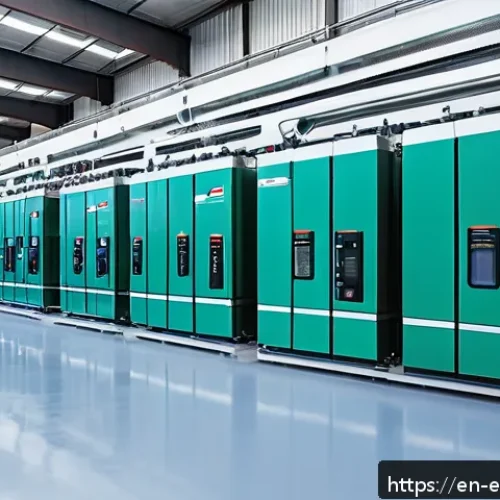
전기차 충전 인프라 - **Prompt:** A vibrant, ultra-fast electric vehicle (EV) charging hub on a major highway. Several div...

Hey everyone! If you’re anything like me, you’ve been watching the electric vehicle revolution unfold and probably dreaming of that smooth, quiet ride.

We’re living in an incredible time where going electric is becoming more accessible than ever, but let’s be real, the thought of charging can still feel a bit like navigating a maze, right?

From home charging quirks to finding a reliable public fast charger on a road trip, there’s a lot to unpack, and honestly, I’ve had my share of both amazing and frustrating experiences trying to power up.

But guess what? The future of EV charging is buzzing with innovation, promising solutions that are faster, smarter, and way more convenient than you might imagine, with incredible advancements like wireless charging and Vehicle-to-Grid tech on the horizon.

Ready to peel back the layers and get a crystal-clear picture of where we’re heading? Let’s dive in deeper below and get you fully up to speed!

Unlocking the Potential of Ultra-Fast Charging: My Need for Speed

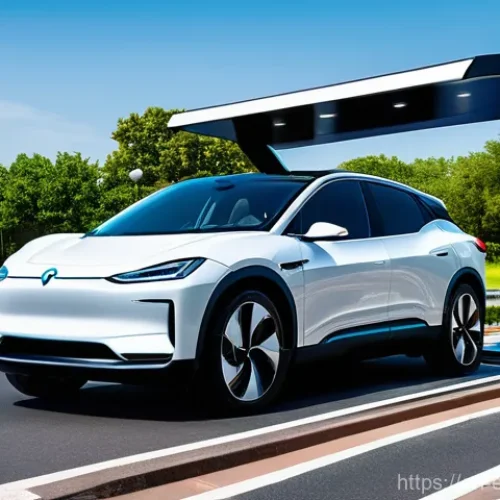
전기차 충전 인프라 - **Prompt:** A vibrant, ultra-fast electric vehicle (EV) charging hub on a major highway. Several div...

Honestly, when I first got my EV, the thought of charging times was a bit daunting. I mean, we’re so used to pumping gas in minutes, right? But what I’ve seen and experienced with the rapid evolution of fast charging is nothing short of amazing. It’s no longer about leaving your car for hours; we’re talking about significant top-ups in the time it takes to grab a coffee or run a quick errand. The jump from 50kW to 150kW and now even 350kW+ chargers has been a game-changer for long road trips. I remember a few years ago, planning every stop around a slow charger, sometimes even having to wait in line. Now, with networks expanding and these lightning-fast stations becoming more common, those anxieties are fading. It truly feels like the industry is finally catching up to the demands of EV drivers who need speed and convenience to fit into their busy lives. The feeling of pulling into a station, plugging in, and seeing those miles stack up in just 15-20 minutes is incredibly liberating and makes EV ownership feel less like a compromise and more like the superior option.

The Technological Leaps Driving Speed

So, what’s behind this newfound velocity? It’s not just bigger batteries, although those certainly play a role. A lot of it comes down to advancements in charger technology itself, particularly the move to higher voltage systems like 800-volt architectures, common in cars like the Porsche Taycan and Hyundai Ioniq 5. This allows for significantly more power to flow into the battery without generating excessive heat, which is crucial for battery longevity and safety. I’ve noticed a huge difference when charging my car at one of these newer, high-voltage stations – the initial charge rate is phenomenal, really pushing the limits of what my car can accept. It’s not just about the peak number; it’s about how long that peak rate can be sustained, and newer charging tech is getting much better at maintaining high power throughout a larger portion of the charge cycle, meaning less time tethered to the charger.

Real-World Impact on Road Trips and Daily Life

For me, the biggest impact of ultra-fast charging has been on my road trip freedom. What used to be a careful calculation of charging stops, often limited by slower options, has now become a much more spontaneous affair. Knowing I can pull into a rest stop, quickly add 150-200 miles of range, and be back on the road in under half an hour completely changes the dynamic. It also helps immensely in daily life; if I forget to charge overnight, a quick stop at a local fast charger on the way to work or while grabbing groceries can easily get me through the day. The convenience factor is skyrocketing, and it’s these practical, everyday benefits that I think will really drive wider adoption of EVs as more people realize that charging doesn’t have to be a major time commitment.

The Magic of Wireless Charging: Cutting the Cord for Good

Remember when we thought wireless phone charging was futuristic? Well, the future is now here for EVs, and it’s even more impressive! The idea of simply parking your car over a pad and having it charge automatically without fiddling with cables is something I’ve been dreaming about since day one. I mean, who hasn’t forgotten to plug in their phone overnight? Now imagine that with your car, but without the hassle. This technology, currently being piloted in various forms, has the potential to revolutionize how we think about charging. Imagine pulling into your garage, or even a parking spot at the supermarket, and your car just starts drinking electrons. No more greasy cables, no more fumbling in the dark, and certainly no more tripping hazards. It’s the ultimate in convenience, and I’m genuinely excited to see this become a mainstream reality. The seamless integration it promises will undoubtedly make EV ownership even more appealing to a broader audience, removing one of the last few friction points.

How Inductive Charging is Paving the Way

At its heart, EV wireless charging relies on inductive power transfer, much like your wireless phone charger, but on a much grander scale. It involves a pad installed on the ground and a receiver coil mounted underneath the vehicle. When the car is parked correctly over the pad, electromagnetic fields transfer energy from the pad to the car’s battery. There are still some technical hurdles to overcome, primarily efficiency losses over larger air gaps and precise alignment, but significant progress is being made. I’ve been following some of the trials, and the efficiency rates are getting remarkably close to wired charging, which is incredibly promising. Plus, advancements in foreign object detection are making it safer, ensuring that stray objects don’t interfere with the charging process.

Integrating Wireless Charging into Our Lives

The real potential for wireless charging goes beyond just convenience at home. Think about public spaces: parking garages, taxi stands, even traffic lights. Imagine roads that can charge your car as you drive, or dedicated charging lanes that provide a continuous top-up during commutes. This “dynamic charging” is still further down the line, but static wireless charging in parking bays could become commonplace much sooner. I can easily see this being adopted by ride-sharing fleets or delivery vehicles that spend a lot of time in designated areas, allowing them to charge effortlessly throughout the day without human intervention. It really would make EV ownership almost entirely hands-off when it comes to power management, and that, to me, is truly revolutionary.

Advertisement

Smart Charging Solutions: Optimizing Your Power Up for Savings

If you’re like me, you love finding ways to save a few bucks, especially on utilities. That’s where smart charging truly shines! It’s not just about plugging in; it’s about plugging in intelligently. Smart charging systems allow your EV to communicate with the grid, or with your home energy management system, to optimize when and how it charges. This means taking advantage of off-peak electricity rates, which can lead to significant savings on your energy bill. I’ve personally seen my charging costs drop noticeably since I started utilizing my smart charger’s scheduling features. Instead of just charging immediately when I plug in, it waits until electricity prices are at their lowest overnight. It’s a win-win: I save money, and it helps balance the load on the grid. Plus, many utilities are even offering incentives for participating in smart charging programs, which is just extra icing on the cake.

Leveraging Time-of-Use Rates and Grid Demand

The core principle behind smart charging is utilizing time-of-use (TOU) electricity rates, which fluctuate based on demand. During peak hours, when everyone’s using electricity (think evenings when people get home from work), rates are higher. During off-peak hours, usually overnight, rates drop. Smart chargers can be programmed to automatically charge your car during these cheaper periods. Beyond just TOU rates, advanced smart charging can also respond to overall grid demand, pulling back on charging during periods of high strain on the grid and ramping up when there’s an abundance of renewable energy available. I’ve noticed my utility company sends out alerts sometimes, and my charger seamlessly adjusts, which gives me peace of mind that I’m not only saving money but also contributing to a more stable and sustainable energy ecosystem.

Integration with Home Energy Management

What really excites me about smart charging is its potential for deeper integration with our entire home energy ecosystem. Imagine your solar panels generating excess power during the day; your car could automatically soak up that clean, free energy. Or, in the future, your smart thermostat, home battery storage, and EV charger could all work in concert, creating a truly optimized energy footprint for your household. I’m already seeing apps that let me monitor my car’s charge status alongside my home’s energy consumption, giving me a holistic view. This level of control and insight isn’t just about convenience; it’s about empowering us as consumers to be more proactive in managing our energy usage, reducing our carbon footprint, and ultimately saving a significant amount of money over the long term.

Vehicle-to-Grid (V2G) and Beyond: EVs as Powerhouses on Wheels

This is where things get really exciting, almost sci-fi level! What if your electric vehicle wasn’t just a consumer of electricity, but also a contributor? That’s the core concept behind Vehicle-to-Grid (V2G) technology, and it’s honestly mind-blowing. Imagine your car parked at home, fully charged during off-peak hours when electricity is cheap and abundant. Then, during a peak demand period or even a power outage, your car could send some of that stored energy back to your home or even to the grid, acting like a giant mobile battery pack. I’ve been following the pilot projects for V2G with keen interest, and the implications are massive. Not only could it provide backup power for your home, but it could also help stabilize the grid, integrate more renewable energy sources, and potentially even earn you money by selling energy back. It transforms our EVs from simple transportation into dynamic energy assets, which is a total paradigm shift.

How V2G Transforms Energy Management

V2G works by enabling bidirectional power flow, meaning electricity can not only go from the grid to your car but also from your car back to the grid. This requires specialized chargers and vehicles equipped for this capability. The beauty of it is that most cars spend a significant portion of their lives parked. During these idle times, they can serve a dual purpose. For instance, if you’re at work, your car could be providing ancillary services to the grid, helping to balance supply and demand. Or, at home, it could power your house during a blackout, which is a huge security blanket. I can only imagine how much more resilient our power systems could become if millions of EVs were participating in V2G, creating a distributed network of energy storage that can respond instantaneously to grid needs.

The Future of V2G: Beyond Just Backup

While home backup is a fantastic initial application for V2G, the technology’s long-term potential is far greater. Think about the massive amounts of renewable energy that sometimes go to waste because the grid can’t handle the fluctuating supply (like too much solar on a sunny day). EVs with V2G could absorb that excess energy, storing it until it’s needed. This makes renewable energy sources much more viable and efficient. Plus, for fleet operators, V2G could open up entirely new revenue streams by participating in energy markets. I truly believe that V2G will be a cornerstone of future smart cities and grids, turning our cars into active participants in a sustainable energy future rather than just passive consumers. The economic and environmental benefits are simply too compelling to ignore.

Advertisement

Public Charging: More Than Just a Plug – It’s an Experience

Let’s be honest, public charging hasn’t always been the most glamorous experience. We’ve all encountered those broken chargers, the ones that are blocked by non-EVs, or the apps that just refuse to cooperate. But I’m genuinely thrilled to see the rapid transformation happening in this space. Public charging is becoming so much more sophisticated and user-friendly. We’re moving beyond basic plugs to integrated experiences that offer amenities, seamless payment options, and genuinely reliable infrastructure. It’s about making the entire process as smooth and stress-free as possible, whether you’re on a long haul or just grabbing a quick top-up while out and about. The industry is finally understanding that convenience and reliability are paramount for widespread EV adoption, and it’s a relief to witness the shift firsthand.

Enhanced Reliability and User Experience

One of the biggest improvements I’ve noticed is the focus on reliability. Charging networks are investing heavily in maintenance, remote monitoring, and rapid repair teams, which means fewer “out of order” signs. Furthermore, the user experience is getting a massive upgrade. Many newer stations feature larger screens, intuitive interfaces, and multiple payment options, including tap-to-pay with credit cards, which is a huge relief when you don’t want to juggle a dozen different apps. I recently used a new charging hub that even had a small lounge area and restrooms, making the brief wait genuinely comfortable. These thoughtful additions aren’t just perks; they’re essential for making public charging a pleasant and predictable part of EV ownership, akin to the familiarity of a gas station, but much cleaner and quieter.

Strategic Placement and Expanded Networks

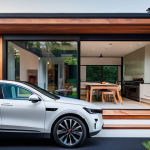
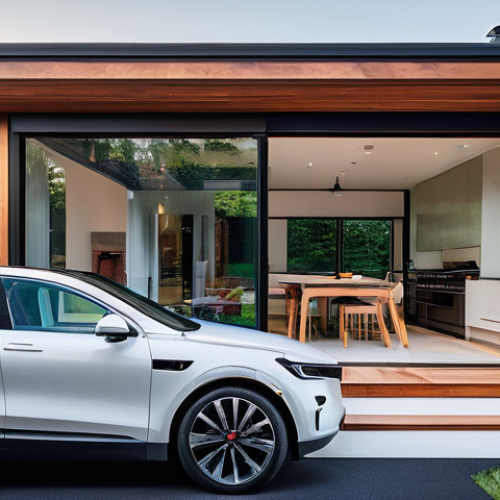
전기차 충전 인프라 - **Prompt:** A serene, upscale home garage featuring a modern electric vehicle (e.g., a luxury sedan ...

The sheer number and strategic placement of new charging stations are also making a huge difference. Governments and private companies are pouring billions into expanding national charging networks, focusing on major corridors, rural areas, and urban centers. This means fewer “charging deserts” and more options when you’re traveling. I’ve seen new stations pop up in places I never expected, like small towns off the main highway or at local grocery stores. This expansion isn’t just about quantity; it’s about quality and accessibility. Many new installations are also incorporating multiple charger types (CCS, NACS, CHAdeMO) and power levels, ensuring compatibility with a wide range of EVs. This aggressive build-out is critical for alleviating range anxiety and making long-distance EV travel truly viable for everyone.

Battling Range Anxiety with Smarter Infrastructure and Battery Tech

Range anxiety – that nagging worry about running out of charge before reaching your destination – is probably the biggest mental hurdle for prospective EV owners. I’ve definitely had my moments of checking the map a dozen times, just to be sure. But let me tell you, the progress we’re seeing in both battery technology and charging infrastructure is rapidly making those fears a thing of the past. It’s a two-pronged attack: cars are going further on a single charge, and the places to charge them are becoming more abundant and reliable. This combination is incredibly powerful, transforming the perception of EV travel from a careful calculation to a confident journey. It’s truly liberating to hit the road knowing that your vehicle’s range is robust and that reliable charging options are always within reach, just like gas stations are for traditional cars.

Advanced Batteries and Aerodynamics for Extended Range

A huge part of conquering range anxiety comes from the vehicles themselves. Battery technology is advancing at an astonishing pace. We’re seeing greater energy density, meaning more miles packed into a smaller, lighter battery. Not only are the battery capacities growing, but the efficiency of the powertrains and the aerodynamics of the vehicles are also continually improving. Manufacturers are constantly refining designs to reduce drag and optimize energy consumption. My own EV, compared to models from just a few years ago, offers significantly more range, and it’s a noticeable difference, especially on longer journeys. These improvements mean that for most daily driving and even many road trips, a single charge is more than enough, pushing the need for frequent public charging further out of mind for the average driver.

Intelligent Navigation and Charging Planning

Beyond the hardware, software is playing an increasingly crucial role in mitigating range anxiety. Modern EV navigation systems are incredibly sophisticated, not only planning your route but also intelligently integrating charging stops. They can monitor your battery state, predict energy consumption based on terrain and driving style, and even suggest optimal charging locations with real-time availability. Some even pre-condition your battery for faster charging when you’re approaching a high-speed charger. I rely heavily on my car’s built-in navigation for long trips because it takes the guesswork out of where and when to charge. This intelligent planning, combined with the expanding and improving physical infrastructure, creates a seamless experience that allows me to focus on the drive, not on my battery percentage.

Advertisement

The Home Charging Revolution: Simplicity, Control, and Added Value

While public charging is essential for long trips, for most EV owners, the real magic happens at home. There’s truly nothing more convenient than waking up every morning to a “full tank” without ever having to make a special stop. Home charging has undergone its own quiet revolution, moving from basic outlets to smart, powerful systems that offer incredible control and efficiency. It’s not just about plugging in; it’s about having a personal fueling station that integrates seamlessly into your daily life. I can tell you from personal experience, once you get used to the sheer ease of charging at home, it’s hard to imagine going back. It’s transformed how I think about refueling, making it an effortless background process rather than a chore.

Choosing the Right Home Charging Setup

When I first got my EV, navigating the different home charging options felt a bit overwhelming. But it boils down to a few key choices. Most people start with Level 1, which just uses a standard 120V wall outlet – super slow, but gets the job done overnight for minimal driving. The real sweet spot for most homes is Level 2 charging, which uses a 240V outlet, similar to what your dryer or electric stove uses. This significantly speeds up charging, often fully recharging an EV overnight or in just a few hours. I invested in a Level 2 charger early on, and it’s been one of the best decisions. It ensures my car is always ready to go, and with smart features, I can schedule charging during off-peak hours to save money. Installation usually involves an electrician, but it’s a one-time cost for immense daily convenience.

Smart Features and Future Integration

Today’s home chargers are far from simple power outlets. They come packed with smart features that allow you to monitor charging status, schedule sessions, track energy consumption, and even integrate with your home’s wider energy management system. Many have Wi-Fi connectivity and companion apps that give you complete control from your smartphone. I love being able to check my car’s charge from my couch or pause charging remotely if needed. Looking ahead, these smart home chargers are going to become even more integrated, potentially enabling features like Vehicle-to-Home (V2H) bidirectional charging, where your car can power your house during an outage. This turns your EV into a resilient power hub, adding incredible value beyond just transportation and further solidifying home charging as an indispensable part of EV ownership.

Sustainable Powering: Green Grids for a Cleaner EV Future

For many of us, choosing an EV is a commitment to a greener future. But let’s be honest, an EV is only as green as the electricity that powers it. This is why the advancements in sustainable energy powering our grids are just as exciting as the cars and chargers themselves. We’re seeing a massive shift towards renewable energy sources like solar and wind, and this transition is crucial for realizing the full environmental potential of electric vehicles. It’s incredibly encouraging to know that with every passing year, a larger percentage of the electricity flowing to our chargers comes from clean, inexhaustible sources. This synergy between EVs and renewables is not just a trend; it’s a fundamental shift towards a truly sustainable transportation system, and it makes me feel good about every mile I drive.

The Growing Role of Renewable Energy

The growth of renewable energy generation worldwide has been phenomenal. Solar farms are blanketing vast areas, offshore wind turbines are becoming a common sight, and hydroelectric power continues to provide a stable backbone. As these sources become more efficient and cost-effective, they are increasingly displacing fossil fuels in our energy mix. This means that the carbon footprint associated with charging an EV is steadily decreasing. Many utility companies now offer “green tariffs” or allow customers to opt into renewable energy programs, ensuring that the electricity they use for their homes and cars comes directly from certified clean sources. I actively choose a renewable energy provider for my home, knowing that my EV charges with minimal environmental impact.

Energy Storage and Grid Modernization

To fully harness the potential of renewable energy for EVs, advancements in energy storage (beyond just vehicle batteries) and grid modernization are key. Because solar and wind power are intermittent, large-scale battery storage facilities are being built to store excess energy when it’s abundant and release it when demand is high or renewable generation is low. This creates a more stable and reliable grid, one that can seamlessly integrate millions of EVs. Furthermore, smart grid technologies are being deployed to better manage electricity flow, anticipate demand, and optimize distribution. These behind-the-scenes innovations are crucial for ensuring that as EV adoption continues to soar, our electricity infrastructure can not only keep up but also remain predominantly clean. It’s a complex puzzle, but the pieces are rapidly falling into place, promising a truly green future for transportation.

Feature Benefit for EV Owners Current Status/Outlook
Ultra-Fast Charging (350kW+) Significantly reduced charging times, comparable to gas station stops for range top-ups. Widely available on major corridors, expanding rapidly.
Wireless Charging (Static) Effortless, automatic charging without cables; park and charge simplicity. Pilot programs and early commercial applications, consumer adoption expected within 5-10 years.
Smart Charging/V2G Cost savings via off-peak charging, potential earnings, home backup power. Smart charging widely available; V2G in early trials, select vehicle models, growing regulatory support.
Enhanced Public Networks Increased reliability, better user experience (amenities, seamless payment), widespread availability. Rapid expansion and improvement globally, standardized payment methods emerging.
Advanced Battery Tech Longer driving ranges, faster charging acceptance, improved battery longevity. Continuous innovation, higher energy density and faster charging rates with each new generation.
Advertisement

Closing Thoughts

What an incredible journey we’ve been on, exploring the dynamic world of EV charging! It’s truly mind-blowing to reflect on how far we’ve come and how quickly these technologies are evolving. For me, owning an EV has been a constant learning experience, and honestly, every innovation we’ve discussed today—from those lightning-fast chargers that get you back on the road in minutes to the futuristic promise of wireless power—just makes the experience better and better. I’ve felt the shift from cautious planning to confident freedom, and it’s a liberating feeling. This isn’t just about faster charging or smarter tech; it’s about making sustainable living genuinely convenient and exciting. As we look ahead, I’m beyond optimistic that these advancements will continue to break down barriers, inviting even more people to join the electric revolution and making range anxiety a distant memory. The future of driving is here, and it’s electrifying!

Good to Know Info

1. Optimize Your Home Charging Schedule: If your utility offers time-of-use (TOU) rates, always set your home charger to power up during off-peak hours, typically overnight. I’ve found this little trick alone saves me a good chunk of money on my electricity bill each month, and it’s completely effortless once you’ve set it up in your charger’s app.

2. Master Public Charging Apps: While more stations are accepting credit cards, having the major charging network apps on your phone (like Electrify America, ChargePoint, EVgo, etc.) is still a smart move. They often provide real-time charger availability, pricing, and troubleshooting tips, which can be a lifesaver when you’re on a road trip and need to find a working station quickly. Believe me, I’ve been there!

3. Understand Your Car’s Charging Curve: Not all chargers are created equal, and neither are all EVs. Your car will charge fastest up to about 80% and then slow down significantly to protect the battery. Knowing this helps manage expectations and planning. For instance, on a long trip, I aim for an 80% top-up and then move on, rather than waiting for 100%, saving precious time.

4. Embrace Intelligent EV Navigation: Modern electric vehicles come with fantastic built-in navigation systems that can plan your route, suggest charging stops, and even precondition your battery for faster charging. I rely on my car’s navigation heavily for longer drives; it takes all the guesswork out of where and when to plug in, making the journey much more relaxing.

5. Consider Bidirectional Charging (V2G/V2H) Potential: Keep an eye on Vehicle-to-Grid (V2G) and Vehicle-to-Home (V2H) technologies. While still emerging, these features could allow your EV to power your house during outages or even earn you money by feeding energy back to the grid. It’s a game-changer for energy independence and resilience, transforming your car into a mobile power source.

Advertisement

Key Takeaways

The electric vehicle landscape is undergoing a monumental transformation, making EV ownership more accessible, convenient, and enjoyable than ever before. Ultra-fast charging has dramatically reduced range anxiety, allowing for quick top-ups that rival traditional gas station stops, fundamentally changing the dynamics of long-distance EV travel. Simultaneously, the promise of wireless charging signals a future where powering your vehicle is as effortless as parking it, while smart charging and V2G technologies are empowering drivers to optimize costs and even contribute to grid stability. Public charging networks are rapidly expanding and improving, offering enhanced reliability and user-friendly experiences. These innovations, combined with advancements in battery technology that provide greater range and the increasing integration of green energy sources into our grids, collectively pave the way for a truly sustainable and seamless EV future. It’s an exciting time to be an EV owner, and the journey ahead looks brighter and more efficient than we could have ever imagined.

Frequently Asked Questions (FAQ) 📖

Q: What kind of exciting new tech can we expect for charging our EVs at home, and how will it make our lives easier?

A: Oh, this is one of my favorite topics because honestly, home charging has come so far, but it’s still got so much potential! I remember when I first got my EV, the idea of just plugging it in overnight felt like magic, but also a bit basic.
Well, get ready for a serious upgrade! We’re talking about a future where your home charger isn’t just a power outlet, but a super smart hub. Imagine “smart charging solutions” that learn your habits, so your car charges when electricity rates are lowest, saving you a ton of cash without you even thinking about it.
Some systems are even integrating with smart home tech, so you can manage everything from your phone, optimizing energy use across your whole house. But here’s where it gets really wild: “Vehicle-to-Grid (V2G)” and “Vehicle-to-Home (V2H)” technology.
Picture this: your EV isn’t just taking power from the grid; it’s also sending power back when needed, or even powering your house during an outage! I’ve been following trials of this, and honestly, the thought of my car acting as a giant backup battery or helping stabilize the local power grid is just mind-blowing.
It could mean huge savings on energy bills and even a little extra income. And let’s not forget “wireless charging” in your garage. No more fumbling with cables—just park your car over a pad, and boom, it starts charging.
How cool is that? It’s still in the early stages for widespread home use, but it’s definitely on the horizon, promising ultimate convenience. These innovations are really setting the stage for a truly seamless and efficient EV ownership experience right from your driveway.

Q: Public charging on a road trip can sometimes feel like a wild goose chase. What’s being done to make public fast charging more reliable and universally accessible?

A: You are absolutely not alone there! I’ve had my share of those “navigating a maze” moments on road trips, pulling up to a public charger only to find it’s out of order, or worse, there’s a huge line.
It’s incredibly frustrating, and it definitely contributes to what people call “range anxiety.” But trust me, the industry is seriously stepping up its game.
The future of public charging is all about making it faster, more reliable, and incredibly easy to use. First off, we’re seeing a massive expansion of “ultra-fast charging stations” capable of recharging an EV in as little as 15-20 minutes, especially along major highways.
This is a game-changer for long journeys, mimicking the speed of a gas station stop. Think about it—grabbing a coffee while your car gets a significant boost.
Companies are investing billions in building out robust networks. But it’s not just about speed; it’s about reliability. Newer public chargers are being built with enhanced safety features and remote monitoring, so operators know immediately if there’s an issue and can fix it fast.
Plus, the push for more standardized payment systems means you won’t need a dozen different apps for every charging network, which has been a personal pain point for me.
The goal is to make public charging as simple and dependable as charging your phone, wherever your adventures take you. It’s truly exciting to see this infrastructure evolve.

Q: You mentioned “wireless charging” and “Vehicle-to-Grid” technology. Can you break down what these actually are and how soon we might see them become common?

A: Absolutely! These are two of the most talked-about advancements, and for good reason—they’re truly transformative! Let’s start with “wireless charging.” Think of it like how you charge your phone wirelessly, but for your car.
Instead of plugging in, you simply park your EV over a special charging pad, and voilà, power is transferred through electromagnetic fields. The beauty here is pure convenience—no more dirty cables, no more forgetting to plug in.
While the technology has been around for a while (Nikola Tesla actually envisioned it!), it’s now reaching efficiency levels comparable to traditional Level 2 plug-in charging for EVs.
We’re seeing it in pilot programs and some high-end installations, and while it might take a few more years for widespread adoption, especially for public spaces, I’d say we’ll definitely see more home wireless charging options emerge in the next 3-5 years.
Now, “Vehicle-to-Grid (V2G)” is a bit more complex but equally fascinating. This isn’t just about your car taking power; it’s about it being a two-way street.
Your EV battery can both draw energy from the electrical grid and send surplus energy back to it. Why would you want to do that? Well, imagine you charge your car overnight when electricity is cheap.
During peak demand hours, when electricity is expensive or the grid is stressed, your car could automatically feed some of that stored energy back, earning you money or helping to stabilize the grid.
This technology is a huge step towards a more resilient and sustainable energy system, turning your car into a mobile power bank. While it’s still facing some challenges with infrastructure and regulatory frameworks, experts predict that V2G and its close cousin, V2H (Vehicle-to-Home), will start to see significant movement for consumers in the next few years, potentially becoming more commonplace by 2030.
It’s truly a game-changer for energy management!